
Sleep apnea (OR) obstructive sleep apnea (OSA) can be a life-threatening health disorder if left untreated for a prolonged period. Some of the common side effects of sleep apnea include fatigue, cognitive impairment, cardiovascular conditions, etc. There are numerous treatments available to manage sleep apnea and its symptoms, such as continuous positive airway pressure (CPAP) therapy, oral appliances, and surgery. In this detailer, we brief you on the best sleep apnea treatment available in the world.
CPAP (Continuous Positive Airway Pressure)
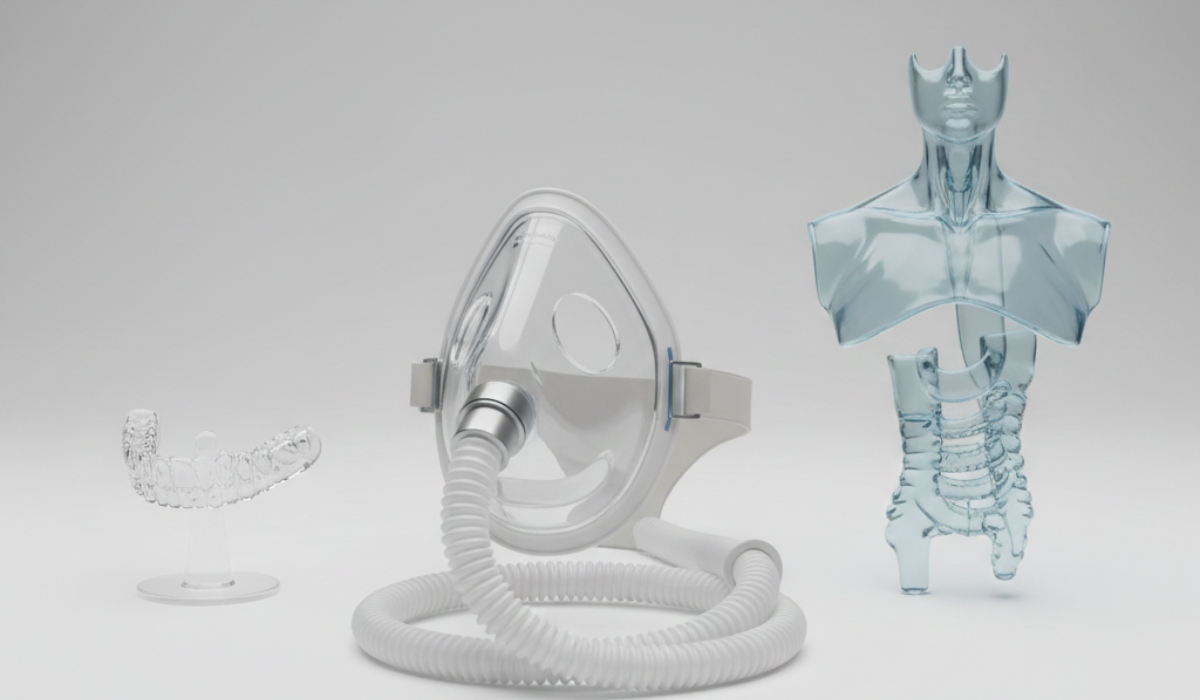
The CPAP machine functions by supplying a steady flow of air through the airways via a mask. The device keeps the airway open and prevents it from collapsing during sleep. It includes a tube connected to the machine’s motor, an air filter to purify the air, and a mask that goes over the nose or mouth.
Some CPAP devices are equipped with supporting attributes, such as heated humidifiers and adjustable pressure settings. These add-ons alleviate other health conditions, such as sinus congestion and a dry nose, if any, and obstruct the passage of cold air into your lungs while breathing.
There are numerous factors tied to the increasing risk of sleep apnea, like obesity, neck circumference, the size of your face and skull, belly fat, and others. So, how does continuous positive airway pressure (CPAP) therapy work?
Anatomically speaking, the CPAP device doesn’t breathe for you; instead, it acts as a pneumatic splint that opens the doors of your airway, allowing the flow of oxygen to move freely hither and thither.
The air pressure projected by the CPAP propels the base of the tongue, soft palate, and throat walls apart, so that they don’t collapse or block the airflow.
For first-time users, the novelty of CPAP can be challenging due to mask discomfort, machine noise, and the need for regular maintenance. But once you get acclimatized to the device, you’ll be happy as a clam.
CPAP is not only just for sleep apnea, but it also aids in managing other health impediments, including stroke, high blood pressure (BP), cardiac arrhythmia, erectile dysfunction, type 2 diabetes, etc.
Oral Appliances for Sleep Apnea
Continuous Positive Airway Pressure (CPAP) therapy has, by far, been the most commonly chosen treatment by individuals with sleep apnea. However, there are some popular alternative treatments for obstructive sleep apnea (OSA). We have listed a few of them below.
If you are someone who can’t tolerate CPAP therapy, then you should look out for oral appliances that can do the job. This type of treatment is considered highly effective for individuals with mild to moderate sleep apnea. Here are some oral appliance devices that help improve airflow through corrective repositioning methods.
- Mandibular Advancement Splints (MADs): MADs work by moving the lower jaw forward, keeping the airways open during sleep. They are usually effective for mild to moderate OSA and can also help reduce snoring. Adjustable two-piece MADs tend to be more comfortable and provide better results than one-piece devices.
- Tongue Retaining Devices (TRDs): TRDs position the tongue forward to prevent airway obstruction during sleep. TRDs are helpful for people with missing teeth or jaw misalignment, and they hold the tongue forward to prevent airway blockages. While effective for reducing sleep apnea symptoms, TRDs may cause discomfort, leading to lower long-term use.
- Tongue Muscle Stimulation Devices: A tongue muscle stimulation device uses electrical signals to strengthen tongue muscles. As a result, it improves muscle tone and reduces mild sleep apnea and snoring. It is worn during the day and gradually improves muscle tone to keep the airway open at night.11,12
Sleep Apnea Surgical Treatments
Surgery for sleep apnea should be your final throw of the dice if none of the above-mentioned treatments are working for you. Surgery is for individuals with severe sleep apnea.
The sleep apnea patient is monitored for three months while using CPAP as the primary treatment. This is the same for oral appliance treatment as well. If the doctor finds that non-surgical treatments aren’t solving the root cause of sleep apnea, then they consider going for surgery.
Surgical options target specific areas of the airway to improve airflow and sleep apnea symptoms. These treatments can range from tissue removal to jaw repositioning, offering a more permanent solution for those struggling with the condition. Below are some of the most common sleep apnea surgical treatments.
- Uvulopalatopharyngoplasty (UPPP): This surgery involves removing excess tissue from the back of the throat and the soft palate. This surgery helps to widen the airway, improving airflow and reducing sleep apnea symptoms. It’s commonly recommended when other treatments, like CPAP, have not been effective.
- Maxillomandibular Advancement (MMA): This surgery repositions the upper and lower jaw forward to increase airway space. It has been shown to significantly reduce the severity of sleep apnea, making it a viable option for people with moderate to severe apnea who haven’t found success with CPAP.
- Hypoglossal Nerve Stimulator: This treatment involves implanting a device that stimulates the tongue muscles to prevent airway obstruction. It’s particularly beneficial for individuals with moderate to severe obstructive sleep apnea (OSA) who are unable to tolerate CPAP.
- Septoplasty and Turbinate Reduction: For those with nasal obstruction, septoplasty straightens the nasal septum, and turbinate reduction reduces swelling in the nasal passages, improving airflow. These procedures are often performed together to help individuals breathe more easily during sleep.
Comparative Effectiveness of Surgical and Non-Surgical Sleep Apnea Treatments
When it comes to sleep apnea treatment, both surgical and non-surgical options play a crucial role in improving patients’ quality of life. Non-surgical treatments, like CPAP therapy and oral appliances, are often the first line of defense, offering a less invasive approach. However, for patients who struggle with these treatments or have severe cases, surgical options might be considered. Understanding the comparative effectiveness of these apnea treatments is essential in choosing the right approach for each individual.
Recent studies have provided great insights into the efficacy of surgical versus non-surgical treatments for obstructive sleep apnea (OSA).
For example, a 2024 study published in the Journal of Oral and Maxillofacial Surgery compared four OSA treatments: continuous positive airway pressure (CPAP), mandibular advancement devices (MAD), upper airway stimulation (UAS), and maxillomandibular advancement (MMA). The results indicated that MMA demonstrated the greatest mean reduction in apnea-hypopnea index (AHI), outperforming CPAP and MAD.
In contrast, non-surgical options like MAD and CPAP remain first-line treatments. A 2024 meta-analysis found that CPAP was more effective than MAD in reducing AHI, though patient compliance and quality of life outcomes varied.16 Additionally, another 2024 study suggested that MADs might be non-inferior to CPAP in reducing blood pressure among patients with OSA and hypertension
For patients who are intolerant to CPAP, surgical interventions like MMA and UAS offer promising alternatives. A 2023 study published in Sleep highlighted the long-term benefits of multi-level surgery in improving sleep apnea markers and quality of life for patients unresponsive to CPAP.
While surgical treatments may offer superior efficacy in certain cases, non-surgical options such as CPAP and MAD remain effective and are generally preferred due to their non-invasive nature. The choice between surgical and non-surgical apnea treatments should be individualized, considering patient preferences, severity of OSA, and response to previous therapies.
Frequently Asked Questions (FAQs)
No, sleep apnea can be managed through lifestyle changes and various treatments, like continuous positive airway pressure (CPAP) therapy and oral appliances. If things go south with the existing treatments, then you can call for surgery. However, doctors will evaluate your profile and medical history before making surgery decisions. Types of sleep apnea surgeries include jaw surgery, nasal surgery, mouth and throat surgery, and weight loss surgery.
Repositioning can help manage mild to moderate obstructive sleep apnea cases. Oral appliances add a layer of comfort. Sleep apnea patients will start noticing a difference within the first few weeks of its use. According to several reports, the success rate of oral appliances for sleep apnea ranges from 50 to 80 percent. However, this treatment won’t be effective for severe sleep apnea. The best step forward is to consult the best healthcare provider in Canada who deals with sleep apnea and other sleep disorders.