
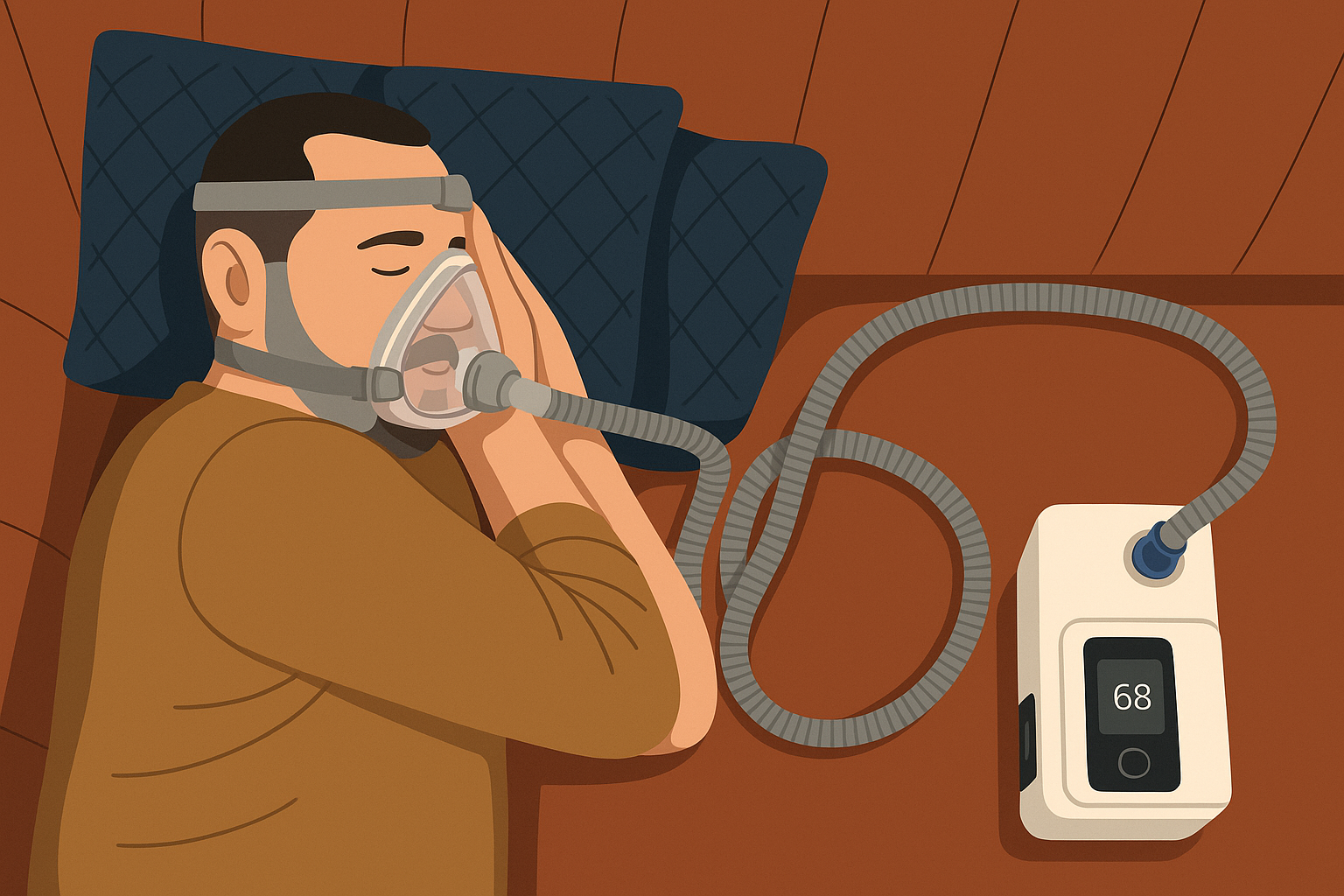
Obstructive Sleep Apnea (OSA) is a sleep-related breathing disorder mostly prevalent among middle-aged individuals. This sleep condition is also pervasive among various other groups, including patients suffering from respiratory disorders, smokers, alcoholics, people with a family history where one of the family members suffers from sleep apnea, etc. The right step forward to resolve this medical condition is to seek sleep apnea solutions.
Freedom Respiratory and Sleep Centre has done detailed research about this medical condition and how common Obstructive Sleep Apnea (OSA) is in the general population. One such notable review by Benjafield et al. estimates that OSA affects nearly 1 billion people worldwide, with rates going beyond 50% in certain countries. A Sleep Survey 2024 found that 1 in 3 people are suffering from Sleep Apnea, and 936 million people globally. Considering the surge of sleep apnea issues worldwide, we came up with a list of sleep apnea solutions that you might want to consider to enhance your daily life.
What is Sleep Apnea?
Sleep apnea is a medical condition that disrupts standard breathing patterns throughout the night. Obstructive Sleep Apnea (OSA) primarily occurs when the throat muscles relax excessively, often unconsciously during sleep, blocking the airway. This health disorder calls for sleep apnea treatment—a step towards normalising breathing and enhancing overall sleep quality.
According to a Harvard study, people with untreated sleep apnea are more likely to encounter motor vehicle accidents, soaring the risk of road crashes by up to 7 times due to impaired concentration and slowed reaction times. Seeking timely sleep apnea solutions can help manage the condition effectively.
Let’s learn about the various sleep apnea solutions for better health and lasting sleep apnea relief.
Types of Sleep Apnea
If you are a sleep apnea patient, then you should know where you stand with your medical condition. There are three types of sleep apnea, as listed below:
- Obstructive Sleep Apnea (OSA) : This is the most common type of sleep apnea caused by partial or complete blockage of airways. As of 2025, Obstructive Sleep Apnea (OSA) is ballooning in Canada, primarily caused by poor lifestyle choices, including unhealthy diet, improper sleep position, high caffeine intake, etc. Obesity is one of the major contributors to OSA in Canada and worldwide. Initially, what people consume for pleasure to gratify their taste buds turns into a lingering health nightmare, thereby suspending their happy sleep cycle.
According to Statistique Canada , 30% of Canadians fall under obesity, a chronic disease that obstructs unrestricted airflow, causing breathing struggles, and hampering regular sleep. A person suffering from both obesity and sleep apnea endures a series of health challenges, both physical and mental. Women with PCOS (Polycystic Ovary Syndrome) disrupt their hormonal balance, which can result in gaining weight over time, and can also affect the sleep cycle.
Some of the pathophysiological drivers of PCOS include insulin resistance, obesity, low-grade inflammation, etc. Medical research shows that the prevalence of OSA in women with PCOS is higher than in those without PCOS.
To prevent the OSA situation from getting worse, seeking timely obstructive sleep apnea treatment is essential to prevent future complications like hypertension, depression, and myocardial infarction.
- Central Sleep Apnea (CSA): In this type of disorder, the brain fails to send timely signals to the respiratory muscles that facilitate breathing. Central Sleep Apnea (CSA) often occurs due to neurological conditions, stroke, heart infections, post-polio syndrome, Parkinson’s disease, etc.
- Complex (Mixed) Sleep Apnea: It is a combination of both OSA (obstructive sleep apnea) and CSA (central sleep apnea). Patients having mixed sleep apnea need unique snoring solutions for permanent relief.
Symptoms of Sleep Apnea
Identifying sleep apnea symptoms early can help treat it on time and avoid complications. Some of the common signs of sleep apnea are:
| Nighttime Symptoms | Daytime Symptoms |
|---|---|
| Loud, persistent snoring | Excessive daytime sleepiness |
| Breathing pauses observed by a partner or family member | Morning headaches and dry mouth |
| Waking up gasping or choking | Difficulty concentrating |
| Restless sleep or waking up frequently | Mood changes, irritability, or depression |
| Experiencing mouth dryness or a sore throat | High blood pressure and reduced libido |
Best Sleep Apnea Solutions
In the evolving medical world, we have several sleep apnea solutions available today. Your healthcare provider will determine the best sleep apnea treatment after considering multiple factors like your age, lifestyle, cause, and overall health. Let’s see some treatment options you can opt for snoring relief.
A. Medical Devices for Sleep Apnea Treatment
Medical devices open the airways to improve breathing and provide snoring relief. Some commonly used medical devices for sleep apnea relief include:
1. CPAP (Continuous Positive Airway Pressure)
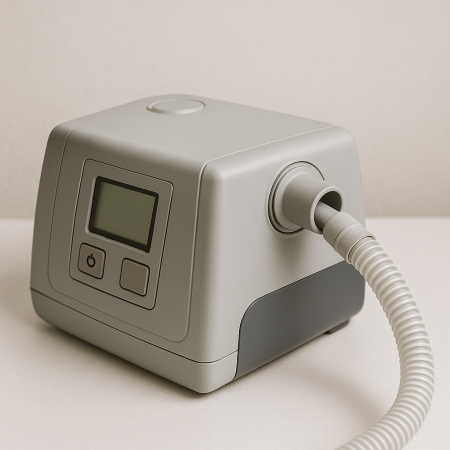
CPAP delivers a constant flow of air through a mask, preventing airway collapse during sleep. It is the most widely used obstructive sleep apnea treatment. This treatment reduces daytime sleepiness, allowing the patient to remain stable during morning hours.
Research studies claim that CPAP (Continuous Positive Airway Pressure) treatment ameliorated their cognitive function. Initially, adjusting to the mask would be arduous; however, CPAP has been one of the popular modes of home therapy treatment for sleep apnea. Other benefits of CPAP include improved memory and concentration, ease of pulmonary hypertension, and reduction of blood pressure.
2. BIPAP (Bilevel Positive Airway Pressure)

BIPAP comprises two different pressure levels, including inhalation positive airway pressure (IPAP) and exhalation positive airway pressure (EPAP). It has three modes: Spontaneous, Timed, and Spontaneous/Time. In the first mode, the device settings adjust according to the patient’s inhale and exhale patterns—a default setting mode that most patients find easier to use.
In the second mode, the IPAP and EPAP phases are timed and adjusted. This mode allows the patient to know how long each phase lasts, making the device operate like a ventilator.
BIPAP timed mode is beneficial for patients who find it strenuous to initiate and perpetuate standard breathing patterns. In the third mode, the device offers the best of both worlds. It starts in spontaneous mode and shifts to timed mode if the patient’s breathing rate plummets.
BIPAP’s pressure range is between 4 and 30 cm H2O. Treatment is often recommended in cases of severe apnea or respiratory issues, making breathing more comfortable, especially for patients struggling with standard CPAP.
3. APAP (Auto-Adjusting Positive Airway Pressure)
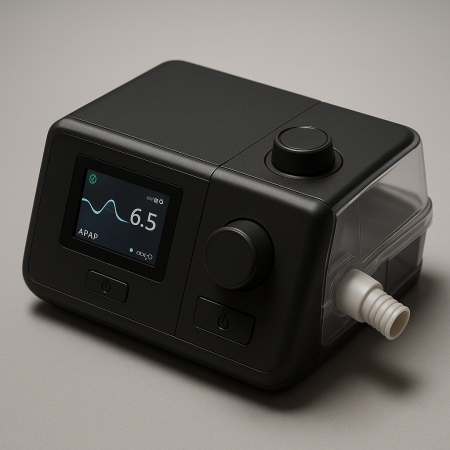
This machine works best for patients whose breathing changes throughout the night. Unlike CPAP, which has a fixed mode of operation, APAP devices adjust the pressure automatically to a person’s real-time breathing patterns. The APAP device generates pressure when needed, making breathing comfortable for the patient during sleep.
Case in point, if the patient sleeps on their back, the airway gets blocked partially. In such a situation, APAP notices the breathing lag, and when this happens, the device increases the air pressure, which allows the patient to breathe as usual. Standard CPAP therapies are widely suggested and recommended by medical professionals globally.
However, if you are looking for a device that adjusts according to lifestyle patterns and medical needs, you can opt for APAP therapy. Consult the nearest respiratory sleep centre to get expert advice and prompt medical assistance.
4. Oral Devices
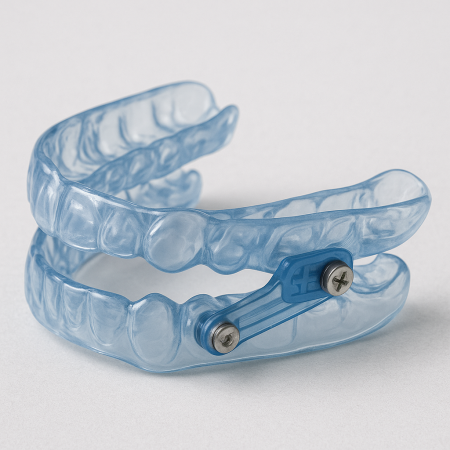
These are custom-fitted appliances that open the airway by repositioning the lower jaw or holding the tongue in place. They are often used in mild to moderate sleep apnea for individuals unable to tolerate CPAP. A dentist specializing in sleep medicine fits and monitors these devices for effectiveness.
5. Tongue Stimulation Device
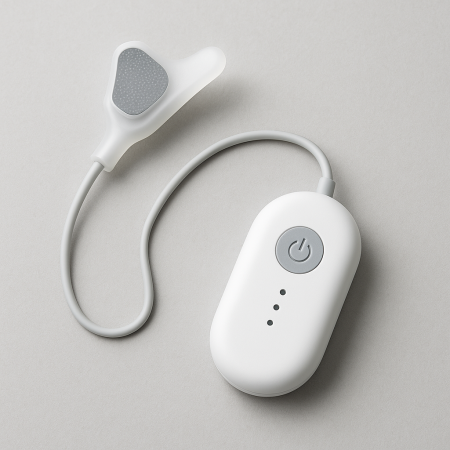
This device uses mild electrical pulses to strengthen tongue muscles, preventing airway blockage during sleep. It is worn during the day for a short period.
B. Surgical Options for Severe Sleep Apnea
Medical experts consider surgical options when no other treatment provides sleep apnea relief. The type of surgery used depends on the severity of the problem and the underlying cause.
- Radiofrequency Volumetric Tissue Reduction (RFVTR): Radiofrequency Volumetric Tissue Reduction (RFVTR) is a procedure commonly used to treat snoring and may also provide relief for mild cases of sleep apnea. It works by using radiofrequency energy to shrink excess tissue and improve airflow.
- Uvulopalatopharyngoplasty (UPPP): In this sleep apnea treatment, extra tissue from the soft palate and throat gets removed to improve breathing. Medical experts recommend this method for those who are unable to tolerate CPAP. In some cases, the patient considers uvulopalatopharyngoplasty (UPPP) along with other treatments.
- Maxillomandibular Advancement (MMA): During this procedure, the surgeon pulls the lower and upper jaws forward to widen the airway. Research has shown that MMA can significantly reduce the severity of sleep apnea. This medical procedure is also known as jaw repositioning.
- Anterior Inferior Mandibular Osteotomy: In this procedure, the surgeon divides the chin bone into two parts. This division allows the tongue to move forward, helping to keep the airway open. While patients recover more quickly, surgeons often combine this procedure with other surgeries for better results.
- Genioglossus Advancement: This procedure contracts the tendons in the front of the tongue. As a result, the tendons do not cave in backward and obstruct the airway. It is usually combined with other procedures to offer sleep apnea relief.
- Midline Glossectomy and Tongue Base Reduction: This procedure enlarges the airway by removing a portion of the tongue’s base. Studies suggest it has a success rate of over 60%, as per the American Academy of Otolaryngology-Head and Neck Surgery, improving both breathing and sleep quality.
- Lingual Tonsillectomy: This procedure removes enlarged tonsils and surrounding tissue behind the tongue. It is effective for opening the lower part of the throat to improve airflow.
- Septoplasty and Turbinate Reduction: Septoplasty corrects a deviated septum. Turbinate reduction, on the other hand, helps shrink tissues that obstruct airflow. These procedures improve nasal breathing and may reduce the severity of sleep apnea.
- Hypoglossal Nerve Stimulation: In this procedure, a small device is implanted under the chest skin and connected to the hypoglossal nerve. This device stimulates the tongue muscles during sleep and prevents airway obstruction. This treatment is a promising sleep apnea solution, particularly for those who cannot tolerate CPAP.
- Hyoid Suspension: Hyoid suspension widens the airways by repositioning the hyoid bone and surrounding neck muscles. Doctors usually advise it for patients with tongue-based obstructions.
- Tracheostomy: A tracheostomy creates an opening in the neck for direct air flow into the lungs, particularly in life-threatening situations. This surgical procedure bypasses airway obstructions and provides unobstructed breathing.
C. Lifestyle Changes for Sleep Apnea Relief
Healthy lifestyle changes, along with the given sleep apnea solutions, can significantly reduce symptoms and improve sleep quality. Some common lifestyle changes include:
- Weight loss: Obesity is one of the significant risk factors for sleep apnea. Doctors often recommend weight loss for people seeking obstructive sleep apnea treatment. Losing weight can help reduce airway obstruction and improve both sleep quality and overall health.
- Exercising: Doctors advise individuals who have sleep apnea due to obesity to exercise regularly. It helps improve breathing and, thereby, sleep quality.
- Sleep on Your Side: Sleeping on your back causes pulling of the throat and neck tissues. Due to gravity, sleeping on the back may narrow the upper airways. Sleeping on the side will prevent airway narrowing and improve symptoms.
- Avoid Alcohol and Sedatives: They relax throat muscles, worsening apnea. The effect of alcohol and sedatives can cause relaxation of the throat muscles and airway blockage. Doctors advise individuals with sleep apnea to drink a cup of decaffeinated herbal tea instead of using sedatives or alcohol to sleep better.
- Quit Smoking: Smoking can worsen apnea symptoms and cause night coughs. Additionally, smoking can also cause throat inflammation. Quitting smoking reduces airway inflammation and congestion.
- Stick to a Sleep Schedule: Sleep apnea patients should incorporate a proper sleep schedule to improve their medical condition. Having a proper sleep routine not only prevents fatigue but also helps regulate the circadian rhythm. While your daily activities influence your sleep schedule, it’s essential to train your brain to follow a consistent sleep cycle.
Get the Beauty Sleep You Deserve - Find Relief Today!
Sleep apnea isn’t just about snoring; in fact, it’s a serious condition that affects your energy levels, focus, and long-term health. When not treated on time, it can increase the risk of several health complications. However, with advancements in the medical field, there are several sleep apnea solutions available today.
From lifestyle changes and medical devices like CPAP and oral appliances to advanced surgical treatments, there’s a sleep apnea solution for everyone. If you or a loved one is struggling with loud snoring, daytime exhaustion, or disrupted breathing during sleep, don’t wait. Speak to a healthcare provider, take the first step toward better sleep, and find relief today!
Frequently Asked Questions (FAQs)
-
What are the best sleep apnea solutions?
Sleep apnea solutions differ from individual to individual. Your healthcare provider gauges several factors of the patient before starting the sleep apnea treatment, such as the type of sleep apnea, age, lifestyle, and overall health. Some of the popular sleep apnea solutions include CPAP, BIPAP, APAP, etc. Consult your healthcare provider if you want to go for alternative sleep apnea treatment.
-
What will happen if I don't get obstructive sleep apnea treatment on time?
Untreated obstructive sleep apnea may cause complications in the future. Some OSA complications include:
- Depression
- Myocardial infarction
- Hypertension
- Sleeplessness-related accidents
Article written by: Arwa Aliakber – She’s a Pharmacist and Medical Writer