
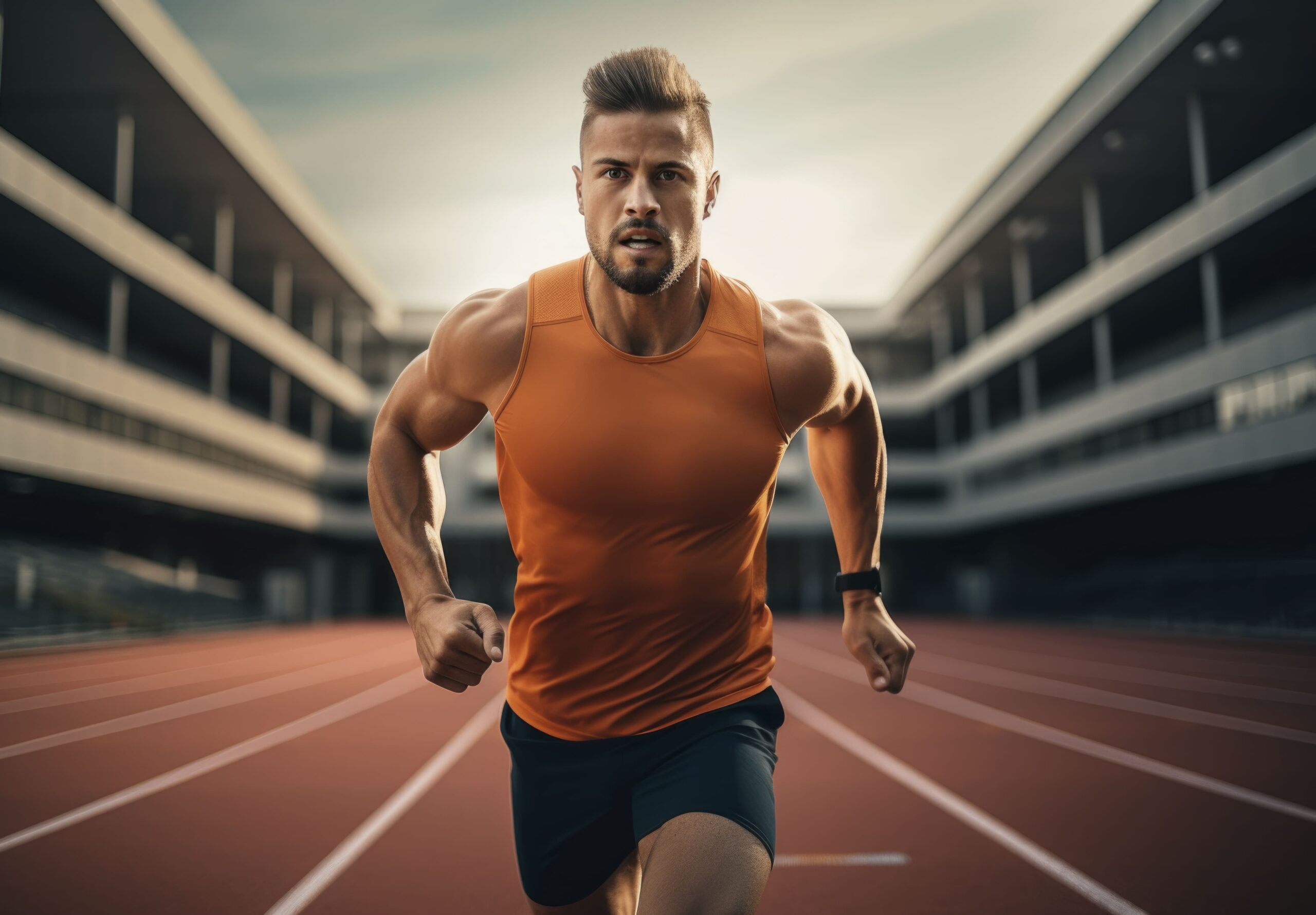
Good sleep delivers good athletic performance. For decades now, health experts have emphasised the significance of good sleep for maintaining a healthy balance both physically and mentally. Lack of proper sleep can cause sleep issues like chronic insomnia, central sleep apnea (CSA), obstructive sleep apnea (OSA), and other sleep disorders. Athletes are known for their fitness, agility, and discipline. The daily schedule of an athlete is distinct from that of a college-going student or a working employee. But the question is – “Do athletes sleep properly?”
According to the American Academy of Sleep Medicine and Sleep Research Society, the recommended daily sleep time span is 7-9 hours for adults and 7-8 hours for older adults. The perfect mantra for a happy life is good food, clean water, and sound sleep; however, most people don’t get the latter. In this article, you’ll learn about sleep apnea and sports, and treatments like CPAP for athletes to improve their overall athletic output.
Sleep Apnea and Sports
OSA is mostly witnessed in older people; however, several reports and emerging evidence have shown that even the fittest ones, including athletes on the go. A report revealed that 54+ million Americans aged between 30 and 69 are living with some degree of OSA. If left untreated, this sleep disorder will cause other comorbidities like depression, high BMI, heart issues, narrowing of airways, etc. In mild obstructive sleep apnea (OSA), breathing transiently pauses 5-15 times every hour amid sleep, whereas 16–30 times in moderate obstructive sleep apnea (OSA) cases.
If an athlete has obstructive sleep apnea (OSA), it reduces their stamina, confidence, and motivation, making them feel frail and fatigued after just a few training and practice sessions, and subsequently impacting their overall athletic performance. A recent study published in Nature Communications said, the unrest in temperature changes triggered by global warming disruptions spikes the odds of developing obstructive sleep apnea (OSA) by 45 per cent.
In 2019, the American Medical Association (AMA) conducted a study titled “Prevalence of Obstructive Sleep Apnea in Collegiate Football Players at Colorado State University”. The AMA study featured 58 football players from Colorado State University. The researchers measured and examined the neck circumference and unique upper airways of all the football players, followed by a sleep questionnaire round and a past health history analysis. The outcome of the study reported that 1 in 3 football players has mild to moderate sleep apnea.
In 2025, the American College of Cardiology (ACC) conducted a study titled “Sports CV Community Discusses Sleep Apnea, More at the Care of the Athletic Heart Course”. The ACC study featured 68 female college athletes from two different U.S. universities for the sleep apnea study. The outcome reported that 1 in 4 female college athletes had mild sleep apnea. The study further found that most female college athletes faced only minimal interruptions, but no one spiralled to the moderate region. Mild sleep apnea cases in the study were witnessed in older and well-built females.
Based on the two research studies above, athletes with extensive training, despite being the fittest, may still be affected by sleep apnea. Athletes suffering from sleep apnea must seek proper sleep-apnea and training support from a specialised sleep professional to enhance their athletic performance. If you are looking for the best sleep and respiratory care in Canada, Freedom and Respiratory Sleep Centre (FRSC) should be at the top of your trusted source list. They stand firmly on the Patient-First-Approach, and have registered sleep specialists to guide you from early diagnosis to treatment and post-care.
Why Sleep Matters for Athletes?
The Canadian Sports For Life issued a guide comprising sleep requirements for athletes. As per the sports guide, the recommended sleep for athletes aged 15 and above should be 8 hours; however, 10 hours of sleep daily can enhance the overall performance of athletes. Despite a healthy diet and best training, lack of sound sleep can crash and burn the athletic performance of an athlete. Below are a few reasons illuminating the link between sleep apnea and sports in athletes.
- Enhances Cognitive Functioning: Being physically strong can make an athlete feel confident on the field, but it won’t be enough to seal the deal. In big leagues, athletes should react swiftly to their team members – and that’s where cognitive functioning comes into play. If having confidence to win the game is one thing, the swift ability to make on-field decisions is another. Athletes with poor sleep hygiene and infelicitous sleep routines exacerbate their cognitive functioning, including visualisation power and decision-making abilities.
After a long and demanding game, sound recovery for athletes (sleep) should be prioritised to enhance their athletic performance in the next game, says trained experts. When a person goes into deep sleep mode, the body turns off all its notifications and puts it into repair mode. The pituitary gland discharges growth hormone and testosterone, which aid in repairing the marred muscle tissues and supporting the entire recovery process. Improper sleep hampers the system in producing and processing these hormones, resulting in slower recovery, increased soreness, and reduced workout progress.
- Cognitive Recovery: For every athlete, mindfulness is the key to better athletic performance. It not only elevates the cognitive focus but also alleviates depression and anxiety problems. Cognitive recovery is essential in every sport, especially for athletes in endurance sports, as it involves numerous physical activities that strain the body. According to a 2023 Springer report, if the training load increases, cognitive function decreases, and vice versa. Sleep aids in cognitive recovery for athletes, and any turbulence in sleep hampers their abilities, says a 2025 report by Science Direct.
- Immunity and Injury Prevention: Sleep is like a silent protein (speaking metaphorically, but true) that helps athletes restore their energy and function fully like a pro the next day. Athletes involved in high-intensity training sports are at a higher risk of frequent illness, which may ultimately weaken their immune system. Sleep is a quick-fix kind of recovery for athletes. It comprises several stages. During sleep, your body enters a state of rejuvenation. It produces cytokines such as IL-6 and TNF-α, which aid in repairing torn muscles and in strengthening them for training. The cadence of your heart rises and falls like a healthy workout for your cardiovascular system, thereby promoting overall lung health.
REM & NREM Apnea Effect On Athletic Performance
Athletes suffering from sleep apnea can have adverse impacts on their athletic performance in real-time, unless the root cause is identified and fixed. Below are some of the ways sleep apnea can disrupt your A-game.
Disruption of REM and NREM: Generally, a proper night’s sleep comprises 4 to 5 sleep cycles, where each cycle lasts around 90 to 110 minutes. NREM, also known as Non-Rapid Eye Movement, is a deep sleep stage, and REM, also known as Rapid Eye Movement, is a dream sleep stage. An athlete should endure these two sleep cycle stages for better on-field athletic performance. Losing any of the aforementioned sleep cycles can adversely impact an athlete’s athletic performance across strength, endurance, focus, recovery, and hormones.
In the NREM stage, the body goes into a fully repair mode, where it helps in muscle recovery, tissue healing, growth hormone release, immune system strengthening, reducing inflammation, recharging energy (restoring glycogen), etc. This stage is highly needed for athletes. Athletes with sleep apnea don’t sail smoothly through the NREM stage. During sleep, the airways partially collapse, leading to reduced airflow. Though the condition is less severe, it breaks the continuity of the deep sleep stage (NREM), resulting in poor recovery, less strength, more fatigue, higher injury risk, and reduced training capacity.
In the REM stage, the brain goes into repair mode. The main focus of REM is to upgrade the brain. This mode allows the brain to process emotions, improve reaction time, sharpen focus, coordination, and motor skills etc. REM is highly essential for athletes to perform above and beyond. Athletes with REM apnea suffer more than those with NREM apnea. In REM, breathing pauses for a longer period, oxygen levels plummet frequently, and airways collapse more easily, resulting in repeated brain awakening. REM is more dangerous than NREM.
Both NREM and REM sleep cycles are equally important to complete proper sleep. The former repairs the body, the latter upgrades the brain. But what’s the solution for athletes with NREM apnea and REM apnea? While Google answers all your health-related queries, it’s always suggested to consult a trusted sleep apnea centre for appropriate solutions.
How CPAP Therapy Aids Athletes in Improving Their Athletic Performance?
In NREM, the body goes into physical recovery mode, whereas in REM, the brain goes into mental health recovery mode. For athletes with NREM apnea or REM apnea, the most preferred solution would be Continuous Positive Airway Pressure (CPAP) Therapy – a treatment that uses gentle air pressure to keep the airways open throughout the night’s sleep. Say goodbye to old techniques, surgeries, sedatives, and medications.
CPAP fixes those partial collapses & keeps your brain and body stable, allowing you to sleep more in (NREM) deep sleep mode. As a result, athletes wake up all sunshine and rainbows with strength gains, muscle growth, and tissue recovery. CPAP Therapy is not just about sleep fixing, but also takes care of mental health recovery.
The REM mode is where this magic happens, but with apnea (REM atonia), sleep turns out to be next to impossible. However, all thanks to CPAP, it allows you to stay in REM mode without getting kicked out of dream sleep. CPAP lets your airways stay wide open, though the muscles relax completely. No more micro-awakenings or oxygen drops.
CPAP for athletes aids in achieving deep physical recovery (NREM) and high-performance mental recovery (REM). This results in improved athletic performance, solid confidence, exceptional decision-making ability, mindful focus, and swift reactions. Below are the following benefits athletes received upon opting for CPAP Therapy.
- Enhanced Oxygenation, REM Sleep, and Recovery: CPAP therapy helps restore normal oxygen levels and sleep stages, especially REM sleep, which is vital for muscle repair and cognitive function.
- Increased Physical Activity and Exercise Capacity: Studies show that CPAP use in individuals with OSA improves exercise capacity and increases daily physical activity.
- Improved Mood, Energy, and Training Consistency: With better sleep from CPAP, athletes experience improved mood and energy levels. This positively impacts sleep apnea and training, helping them stay consistent and motivated.
Conclusion
Sleep apnea doesn’t just affect individuals leading a sedentary lifestyle; athletes are also at risk. OSA can quietly hold back even the fittest individuals with symptoms like poor sleep, compromised muscle recovery, and reduced endurance. If you’re an athlete experiencing unexplained fatigue, frequent headaches, or disrupted sleep, consider getting screened for sleep apnea. Don’t overlook your sleep. Prioritise it like your workouts.
Frequently Asked Questions (FAQs)
Yes, it absolutely does. When you come home from a prolonged, intense workout or a field session, your body and brain need rest for muscle recovery and smooth mental health functioning for the next day’s session. Athletes with sleep apnea end up facing trouble sleeping, which not only hampers their muscle growth ability to recuperate but also surges inflammation in the body. This restricts the body to recover efficiently, resulting in muscle fatigue, increased risk of injury, reduced focus, and more.
Yes, lack of sleep reduces attention span in the field, which directly impacts athletic performance. Sleep apnea inhibits the free flow of oxygen that the body needs, and everyone needs it in full. Athletes with sleep apnea, enduring physical competitions or prolonged field workouts, face a hard time achieving notable results in the field. Due to improper sleep, the glycogen levels plummet, making it arduous for you to work out or practice the next day. Even the stamina and endurance levels fail to deliver the athletic performance athletes aim for.
Several professional athletes suffer from sleep apnea, including Tony Dorsett, Warren Sapp, Aaron Taylor, Percy Harvin, and JaMarcus Russell.
Yes, it certainly does. Athletes are known for their fitness, strength, confidence, and focus. But if they suspect sleep apnea, it’s best to consult the best sleep centre in Canada and seek treatment on an immediate basis to avoid unnecessary health repercussions in the future. If sleep apnea is left untreated, they may face issues like poor training quality, less focus, higher injury risk, severe fatigue, etc. This subsequently results in poor athletic performance in the field. CPAP for athletes can be a real game-changer, as it aids in reducing cortisol levels, mental fatigue, inflammation, & delayed-onset muscle soreness. According to the Children’s Hospital Colorado 2025 report, it’s said that 9-10 hours is considered to be a benchmark for quality sleep. The better the sleep, the quicker the recovery, and CPAP allows athletes to get the desired sleep they deserve.
Article written by: FRSC Staff
Disclaimer: This content is solely for educational and informational purposes only. All the opinions and author’s views reflect professional expertise. Freedom Respiratory Sleep Center is not liable for outcomes based on this information. Always consult with a qualified healthcare provider for personalized medical advice. © Freedom Respiratory Sleep Center. All rights reserved.