
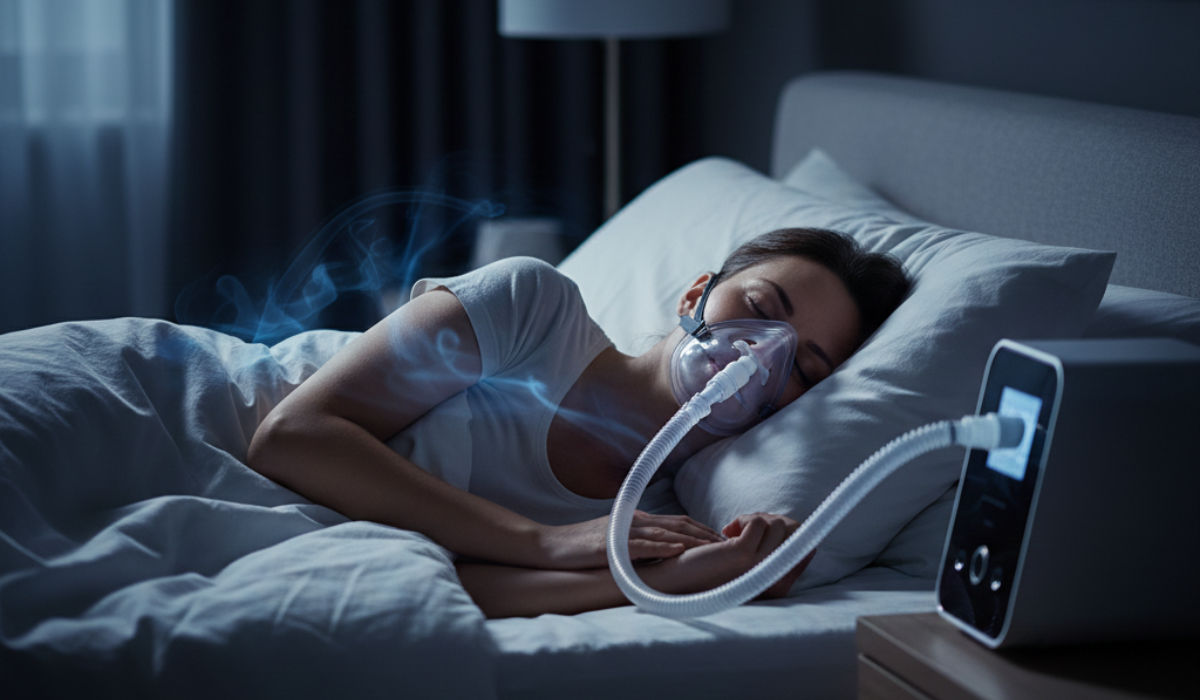
If you are a CPAP user, then you know that the device should always be kept clean and safe for good results. But what if your CPAP device leaks? Do you know how to fix this problem? And why does it leak anyway? What would be the immediate solution? Your head must be flooded with all these doubts. Fret not. In this tutorial, you’ll explore and learn everything about fixing CPAP mask leaks.
Reasons for CPAP Mask Leaks
Before we dive deeper into solutions, let’s understand the root cause of the problem. So, why does a CPAP device leak? Here are some of the common causes of CPAP mask leaks.
- Size Issues: CPAPs don’t come in one size fits all. They are of distinct sizes and shapes. If the size is improper, it’ll also impact your sleep and air pressure. It shouldn’t be too loose or too tight. Big frames or cushions can make you feel uncomfortable.
- Facial Hair: Some men like growing a beard, but this can obstruct the CPAP device from fitting properly on the face. A tight seal occurs when the CPAP mask makes direct contact with the skin. Any gap can reduce the airflow pressure delivered to the airways, and heavy facial hair can lead to CPAP mask leaks.
- Device Maintenance: The CPAP device should be cleaned daily to prevent the buildup of facial oils, dirt, and dust. Poor maintenance of CPAP can lead to serious health repercussions like pneumonia, bronchitis, skin infections, bacterial growth in moist parts, etc. Improper device maintenance can also cause CPAP mask leaks.
- Worn-Out Parts: CPAP device parts, such as mask cushions, headgear, and tubing hose, lose their durability after prolonged usage. Over time, you’ll hear hissing sounds and wake up with a dry mouth, eyes, and throat. It’s a sign of CPAP leak. The device became loose or weary. Pressurized air can escape through gaps in the CPAP device, resulting in ineffective sleep apnea therapy.
- High Air Pressure: The whole idea of CPAP is to generate air pressure to open your airways. Setting high air pressure can lift the mask, allowing a portion of air to escape from the sides.
Guide to Fix Your CPAP Mask Leaks
CPAP mask comes in multiple variations and sizes. Not every mask is suitable for sleep apnea treatment, unless it’s prescribed or recommended by a sleep therapist. As you have already learned about CPAP mask leaks, here are some of the best ways to fix them.
- Check Leak Rate: The acceptable CPAP leak rate should be below 24 litres per minute. The higher the leak rate, the lower the air reachability into your airways, making your sleep apnea therapy less effective. So, always check the leak rate on the screen or the application, if any. This gives you a rough idea of how well your treatment is working.
- Clean Your CPAP Mask: Always keep your CPAP mask clean and neat. This enhances the effectiveness of your sleep apnea treatment. Make a habit of washing the interiors of your CPAP device with fragrance-free mild soaps to remove all the dirt and greasy oils collected around and inside the mask. Your healthcare provider will share the cleaning instructions for your CPAP mask. Follow them and stay hygienic and healthy.
- Wash Your Face: During your night’s sleep, your facial skin collects oils, which break the CPAP seal. So, wash your face thoroughly every night and dry it with a soft cloth. This removes the dirt and toxins on your face, thereby keeping your CPAP mask clean and allowing you to breathe healthy and free.
- Pick the Right Size: Since CPAP masks don’t come in a fixed size, seek the professional help of your healthcare provider in choosing the right mask that fits your face. You can wear the CPAP mask and check whether it fits properly on your face. It should not be too high, landing on the bridge of your nose, or too low, slipping from the surface of your face.
- Repair and Replace: If you are experiencing technical issues with your CPAP device, such as a loose internal setup or worn-out parts, contact your healthcare provider to have the necessary components repaired or replaced as needed.
- Adjust Air Pressure: Keep the air pressure set to an appropriate level. CPAP devices generally operate within a pressure range of 4 to 20 cm H₂O. Consult your sleep specialist to have the air pressure adjusted to the level that best suits your sleep apnea therapy. Connect with a top-rated sleep clinic in Canada and receive your referral promptly.
Conclusion
CPAP mask leaks are one of the most commonly heard issues among all CPAP users. Unintentional leaks can compromise your therapy. If CPAP leaks are not fixed immediately upon noticing, it’ll cause issues like dry eyes, increased risk of respiratory problems, surge in BP levels, dry mouth, etc. Fix your CPAP mask leaks by following the above tips. If you want to buy or replace your CPAP, reach out to your healthcare provider and place a request for the device.
FAQ’s
CPAP mask leaks happen due to numerous reasons, like improper mask size, high air pressure, worn-out parts, excessive facial hair, wrong sleeping position, dirt and facial oils, etc. The acceptable CPAP mask leak can go up to 24 litres per minute, and anything beyond that is something to worry about because it reduces the CPAP therapy effectiveness.
Irrespective of the severity of your sleep apnea condition, there’s no harm, no foul in skipping your CPAP for one night. However, it’s important to be consistent with your therapy for better results, but do consult your doctor before you plan to skip CPAP.