
A latest study conducted by the Journal of Clinical Oncology states that one in three relapsed or treatment-resistant B-cell acute lymphoblastic leukemia (R/R B-ALL) patients remained in long-term remission post-CAR T-cell therapy obecabtagene autoleucel (obe-cel) – a novel advancement in cancer immunotherapy.
In the latest FELIX trial updates, medical researchers observed that 40% patients were still in remission after 3 years of follow-up on the new treatment. The researchers also found that a few sets of patients need no further treatment.
Obecabtagene Autoleucel (obe-cel) is an FDA-approved CAR T-cell therapy for relapsed or refractory B-cell acute lymphoblastic leukemia (B-ALL) patients. The FDA approval for obe-cel came in November 2024 after the FELIX phase 1b/2 clinical trial outcome. A total of 127 patients were studied as a part of this trial, of whom 77% attained remission with 20.3 months median follow-up.
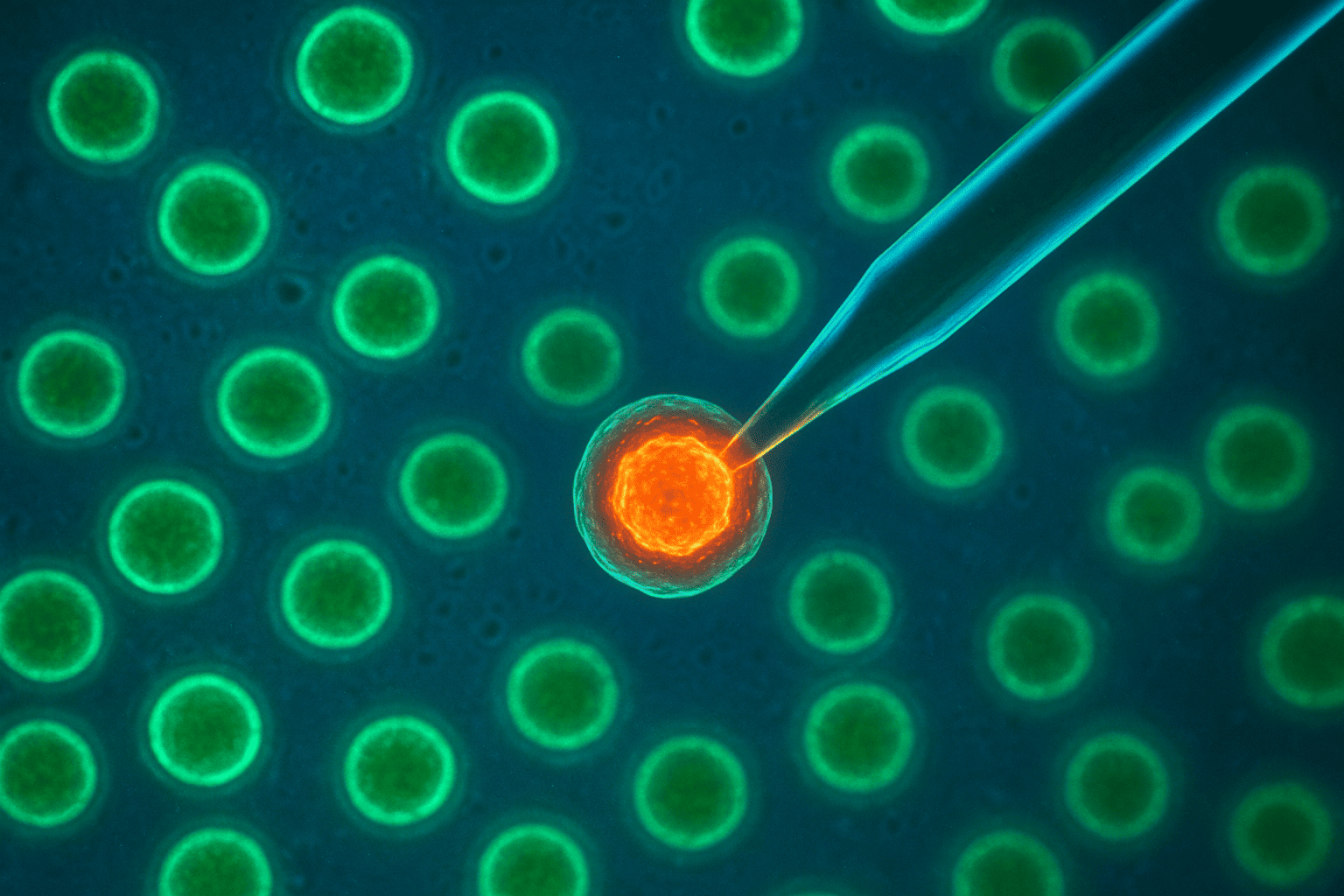
In CAR T-cell therapy, Obecabtagene Autoleucel (obe-cel), the doctor collects the patient’s existing T-cells, engineers them with genetic modifications, and inserts them back into the patient’s body. These genetically modified CAR T-cells spot the CD19 protein on leukemia cells and bind with them, which results in a trigger to attack and destroy the affected cancer cells.
CAR T-cell therapy worked for leukemia and lymphoma; however, it failed to deliver positive results for treating other types of tumors. The CAR T-cells release cytokines, which alert and activate the immune system to fight against the disease.
However, doctors found that cytokines not only encounter cancer cells but also spread throughout the body, often following CAR-T cell therapy, thereby triggering cytokine release syndrome (CRS). Some of the common adverse side effects of cytokine release syndrome (CRS) include fever, flu, chills, skin rashes, diarrhea, etc.
That’s when a group of medical researchers at the Keck School of Medicine of the University of Southern California came together to work on a unique theory and find a solution for solid tumors. They conducted a study titled: “Solid tumour CAR-T cells engineered with fusion proteins targeting PD-L1 for localized IL-12 delivery”.
The study was led and authored by researchers namely, John P. Murad, Lea Christian, Reginaldo Rosa, Yuwei Ren, Alyssa J. Buckley, Eric Hee Jun Lee, Lupita S. Lopez, Anthony K. Park, Jason Yang, Yukiko Yamaguchi, Candi Trac, Lauren N. Adkins, Wen-Chung Chang, Catalina Martinez, Carl H. June, Stephen J. Forman, Jun Ishihara, John K. Lee, Lawrence A. Stern & Saul J. Priceman.
The study helped researchers find an effective way to produce and generate immunity without disturbing the non-cancer cells in the body. Certain tumors produce PD-L1, making them invisible to the immune system. CAR-T Cells spot the tumor cells and directly reach the affected area and release the immune stimulant (IL-12), aiding the system in fighting and destroying the tumor. This novel approach doesn’t let the immunity booster spread anywhere in the body, except to the tumor-affected sites.
The research team conducted laboratory trials with human cells and animal trials with ovarian and prostate cancer. The trials delivered affirmative outcomes: 1) the tumors reduced substantially, 2) the penetration of immunity stimulants through the tumor cells became easier than before.
The clinical trials for pancreatic, colorectal, and brain cancers are yet to start, probably within the next one to two years. The research and medical teams state that the new CAR T-cell therapy could be the new path forward for other cancer and tumor treatments.
Article written by: FRSC Staff
Disclaimer: This content is solely for educational and informational purposes only. All the opinions and author’s views reflect professional expertise. Freedom Respiratory Sleep Center is not liable for outcomes based on this information. Always consult with a qualified healthcare provider for personalized medical advice. © Freedom Respiratory Sleep Center. All rights reserved.