
Simon Fraser University (SFU) clinical research study on cutting-edge advanced brain imaging technology to enhance epilepsy diagnosis and treatment in British Columbia is currently underway.
What Reports Say?
The BC Epilepsy Society report indicates that 50,000+ British Columbians are living with epilepsy. According to the WHO 2024 reports, 50 million people are suffering from epilepsy across the world, of which almost 80% reside in low and middle-income countries. The report further said that 4-10 per 1000 people have active epilepsy; however, 70% could walk seizure-free if proper treatments and medications are followed.
Magnetoencephalography (MEG) and Procedure
Generally, patients with epilepsy are put on anti-seizure medications. If things go south, they go with surgery as a quick band-aid solution. But here’s the twist in the tale – surgeons don’t simply approve for brain surgery. The patient should undergo a brain mapping test to determine their eligibility for the surgery. Patients who couldn’t tolerate their epilepsy condition and haven’t been treated deal with numerous roadblocks, such as ADHD, autism, intellectual disability, etc.
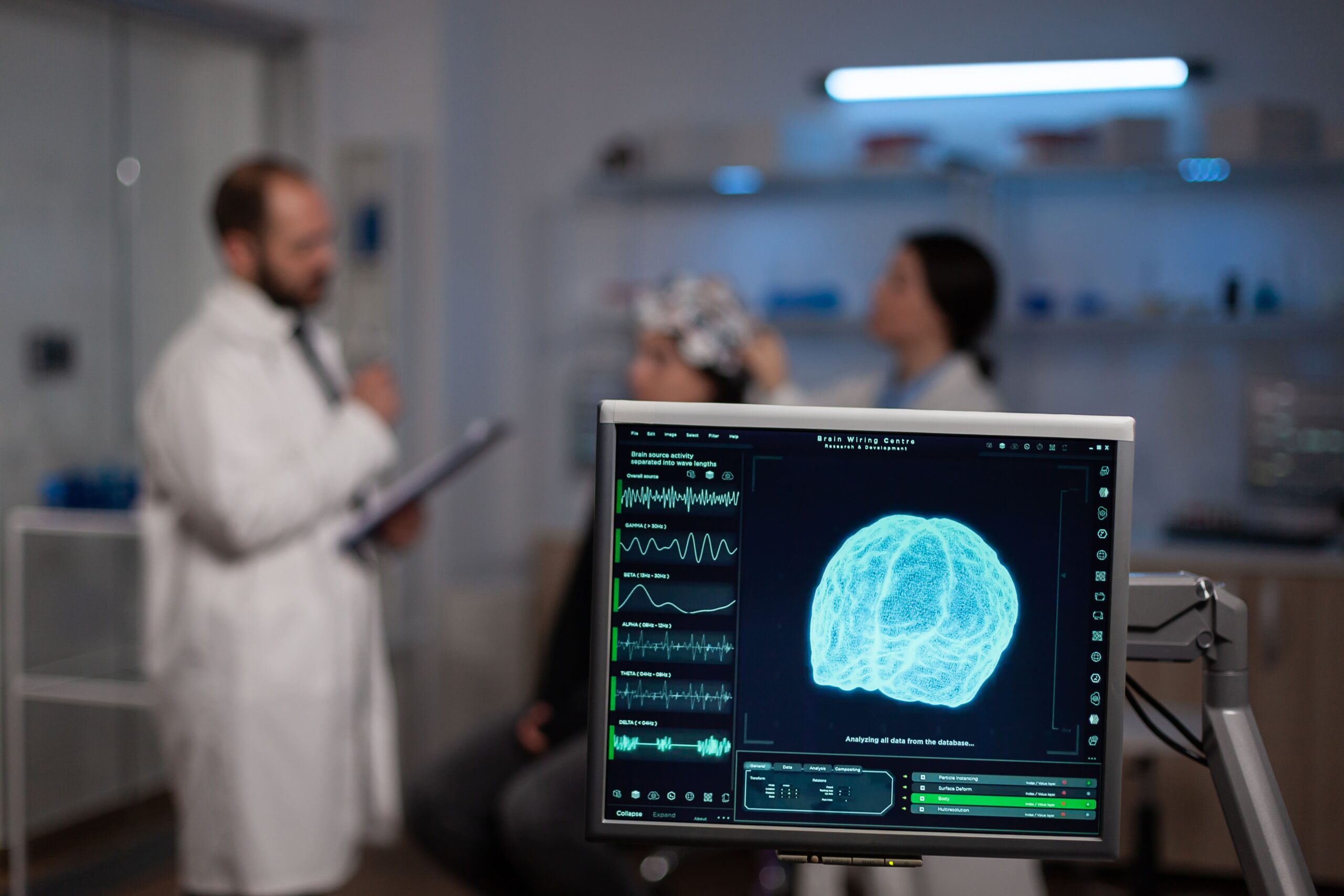
That’s where the magnetoencephalography (MEG) comes into play. Neurosurgeons and neurologists use the MEG test to learn about the epilepsy patient’s brain functionality and seizure locations. The ongoing Simon Fraser University (SFU) study is assessing ways to use MEG to detect seizures without them occurring during a real-time test.
The procedure for the Magnetoencephalography (MEG) scan is pretty straightforward, quick, and simple.
- The patient should remove all the accessories and essentials before entering the scanning room. It includes jewelry, a wallet, a wristwatch, and glasses, if any.
- The technician prepares the patient by putting small stickers on the head to create a 3D model of the head shape.
- A MEG helmet is slowly placed on the top of the patient’s head. The technician can ask the patient to either sit or lie down for this process.
- The patient is then asked to look at various pictures or the surroundings, and hear certain sounds. This allows MEG to map every nook and cranny of the patient’s brain.
- The tiny sensors wired to the MEG helmet capture the neural activity data amid the process in a pronto, say, thousands of times a second.
- By using the MEG recorded data, the system creates a brain map, exhibiting the neural functionality based on the activity, location, and timing.
- Based on the MEG outcome showcasing the patient’s brain map analysis, the neurosurgeon/s interpret and plan the next step forward, i.e., whether to continue the patient on medication or go with the surgery.
The best part of MEG is that it maps the areas of the brain where seizures take place, helping neurosurgeon/s to locate and identify the brain area that requires surgery.
What SFU Researchers & Study Collaborators Say?
In the SFU media release, Maggie Clarke, neuroscientist and director of the MEG program at the SFU ImageTech Lab, said, “MEG can help map where the seizures are originating in the brain. It’s completely non-invasive and doesn’t require the patient to actually have a seizure during the test.”
According to the Grand View Research 2025 market analysis report on the Magnetoencephalography Market (2025 – 2030), there are only 200 MEG machines globally, of which one is in SFU’s medical imaging facility in Surrey. Maggie Clarke said that magnetoencephalography (MEG) provides in-depth insights about the patient’s brain that magnetic resonance imaging (MRI), electroencephalogram (EEG), and positron emission tomography (PET) miss.
While these traditional methods are good for evaluating the brain functionality, MEG stands out for offering greater details which may not be provided by other approaches, added Clarke. The lead researcher is spearheading a clinical research project with a team of collaborators from BC Children’s Hospital, Fraser Health Authority, Vancouver General Hospital, and the University of Alabama at Birmingham.
In response to the collaboration, Mary Connolly, Clinical Professor of Paediatrics and Director of the Comprehensive Epilepsy Program at BC Children’s Hospital, said that the non-invasive MEG could help find more children and adults suitable for epilepsy surgery. This trims the burden of epilepsy on patients, families, & overall healthcare system.
She added, “Current pre-surgical testing often requires patients to stay in the hospital for extended periods, where they undergo video-EEG monitoring to record their seizures. It is stressful, costly, and sometimes seizures don’t occur in the hospital environment. MEG can localize seizure activity without needing an active seizure, making the process faster and more comfortable.”
Mary further stated that, “Some patients live with uncontrolled seizures for decades before surgery is performed. We are trying to change that by identifying people who will benefit from epilepsy surgery as early as possible.”
Kevin Hamaoka, Senior Vice President of Commercial Banking at TD, said, “SFU and TD share a long-standing commitment to research projects supporting community and healthcare in B.C. We’re so proud to support SFU’s vital work providing British Columbians with much-needed access to cutting-edge MEG technology. At TD, we’re continuing our investments in research, technology, and innovative solutions focused on helping to make equitable healthcare accessible for all.”
Ismail Mohamed, one of the study collaborators and Professor of Paediatrics and Neurology at the University of Alabama at Birmingham, said, “I believe every patient being considered for epilepsy surgery should have access to an MEG scan. It can be the difference between a lifetime of seizures and a seizure-free life.”
Harinder Dhaliwal, study collaborator, neurologist, and epileptologist, said, “This work marks an important first step in exploring the clinical use of MEG in British Columbia. We believe we can improve the patient’s quality of life with this first-of-its-kind technology on the West Coast.”
Study Backed By Funding, MEG Accessibility
Simon Fraser University’s clinical research study received funding from two Vancouver residents, Brett and Jacci Sandler. Motivated by a family history of epilepsy, Brett and Jacci did their bit by securing funding from TD Bank Group to financially support the study.
They said, “As parents who’ve experienced the challenges of epilepsy firsthand, we know how critical early diagnosis and effective treatment can be,” says Jacci Sandler. “Supporting this research is deeply personal for us. We believe MEG technology has the potential to change lives, and we’re proud to help bring it closer to the families who need it most.”
For epilepsy surgery evaluations, MEG is widely used across Europe, the U.S., and Eastern Canada, but this system is in the queue and yet to be introduced into clinical settings in British Columbia. The SFU research team believes with a ray of hope that their advanced brain imaging study discoveries will advance the adoption of MEG and become accessible to all the B.C. families and epilepsy patients living within and outside the province.
Article written by: FRSC Staff
This content is solely for educational and informational purposes only. All the opinions and author’s views reflect professional expertise. Freedom Respiratory Sleep Center is not liable for outcomes based on this information. Always consult with a qualified healthcare provider for personalized medical advice. © Freedom Respiratory Sleep Center. All rights reserved.
- Tags:
- advanced brain imaging
- BC health innovation
- brain imaging
- British Columbia
- epilepsy care
- epilepsy research
- epilepsy treatment
- healthcare innovation
- medical breakthrough
- medical research
- MEG
- MRI
- neuroimaging
- neurological disorders
- neuroscience
- patient care
- precision medicine
- SFU
- SFU research
- Simon Fraser University